Introduction
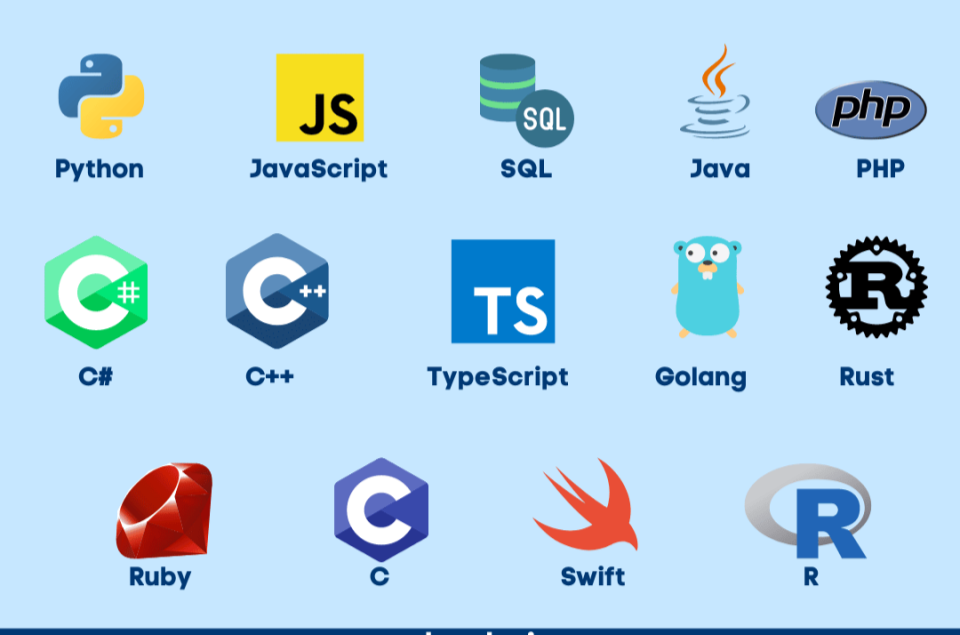
Choosing the right programming language can shape your career, productivity, and even the kinds of problems you solve. In 2026, the programming landscape continues to evolve rapidly—but a few languages consistently dominate due to their versatility, community support, and real-world demand.
Let’s break down the most popular programming languages today and why they matter.
1. Python — The King of Versatility
Python continues to hold its crown as one of the most widely used languages in the world.
Why it’s popular:
- Beginner-friendly syntax
- Massive ecosystem (AI, machine learning, data science, automation)
- Strong community support
Common uses:
- Data analysis
- Artificial Intelligence & Machine Learning
- Web development (Django, Flask)
- Automation scripts
👉 If you’re starting out or pivoting careers, Python is still one of the best first languages to learn.
2. JavaScript — The Language of the Web
JavaScript is the backbone of modern web development and remains essential for building interactive user experiences.
Why it’s popular:
- Runs in every browser
- Full-stack capability (Node.js)
- Huge ecosystem (React, Vue, Angular)
Common uses:
- Frontend web development
- Backend APIs
- Mobile apps (React Native)
👉 If you want to build websites or web apps, JavaScript is non-negotiable.
3. TypeScript — JavaScript, But Better
TypeScript is rapidly becoming the preferred choice for large-scale applications.
Why it’s popular:
- Adds type safety to JavaScript
- Better tooling and maintainability
- Widely adopted in professional environments
Common uses:
- Enterprise web applications
- Scalable frontend projects
👉 If you’re already using JavaScript, learning TypeScript is a natural next step.
4. Java — The Enterprise Backbone
Java remains a staple in large organizations and enterprise systems.
Why it’s popular:
- Stability and performance
- Strong ecosystem
- Widely used in banking, finance, and Android development
Common uses:
- Enterprise applications
- Android apps
- Backend systems
5. C# — Microsoft’s Powerhouse
C# is widely used in enterprise environments and game development.
Why it’s popular:
- Strong integration with Microsoft ecosystem (.NET)
- Used in Unity game engine
- Modern and powerful
Common uses:
- Game development (Unity)
- Desktop apps
- Enterprise systems
6. Go (Golang) — Built for Performance
Go is gaining traction for backend systems and cloud infrastructure.
Why it’s popular:
- Fast and efficient
- Simple syntax
- Great for concurrent systems
Common uses:
- Cloud services
- DevOps tools
- Backend APIs
7. Rust — Safety Meets Speed
Rust is loved by developers who need performance without sacrificing safety.
Why it’s popular:
- Memory safety without garbage collection
- High performance
- Increasing industry adoption
Common uses:
- Systems programming
- Game engines
- Performance-critical applications
How to Choose the Right Language
Instead of chasing trends, ask yourself:
- What do you want to build? (Web, AI, mobile, systems)
- What’s the job market demand in your area?
- Do you prefer simplicity or performance?
Final Thoughts
There is no “one-size-fits-all” programming language. The most popular languages today succeed because they solve real problems effectively.
If you’re just starting:
- Learn Python or JavaScript
If you’re advancing:
- Add TypeScript, Go, or Rust
The key is not just learning a language—but learning how to think like a developer.
Stay curious, keep building, and your tools will evolve with you.